



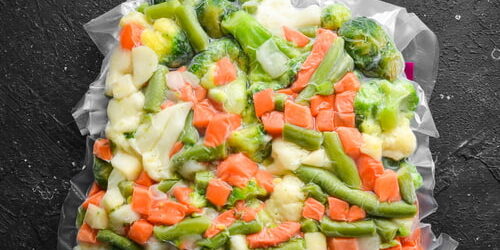
Vacuum packaging is one of the most widely used techniques in the food industry and other sectors due to its benefits in product preservation . To achieve a good result, it is not only essential to have a quality machine, but also to select the right bags and films. At WKThomas we will show you the options available and how to choose the ideal material for each need.
What are vacuum packaging bags and films?
Vacuum bags and films are specialized materials that allow air to be removed from inside the package, creating an airtight environment. This significantly reduces product contact with oxygen, which delays oxidation, inhibits bacterial growth and extends the shelf life of the contents.
There are different types of materials used in the manufacture of these packages, each with particular properties that make them suitable for certain products. Choosing the right option not only ensures freshness and quality, but also protects the texture, flavor and other attributes of the product.
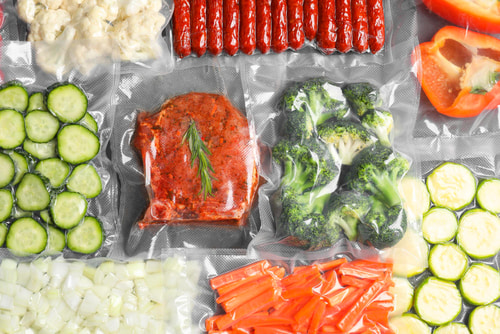 Types of bags and films for vacuum packaging
- Polyamide and polyethylene (PA/PE) bags: These bags combine the mechanical strength of polyamide with the flexibility and sealability of polyethylene. They are ideal for fresh products such as meat, fish and cheese. They also provide an excellent barrier against moisture and oxygen.
- Special cooking bags: Designed to withstand high temperatures, these bags allow food to be cooked directly in their packaging. They are ideal for sous-vide preparations.
- Embossed or structured bags: Designed especially for home vacuum packaging machines, these bags have a texture that facilitates air extraction. They are perfect for those who are looking for how to vacuum pack in bags at home with compact equipment.
- Shrink films: Used primarily in industrial applications, these films conform tightly to the product when heat is applied. They provide a professional finish and an additional barrier against external agents.
- Thermoformed bags: These bags are used in automated processes where the material needs to be shaped. They are common in the meat industry and in ready-to-eat products.
Factors to consider when choosing the right material
- Type of product: The choice of vacuum bag depends largely on the characteristics of the product. For example, foods with sharp edges or bones require higher micron and stronger materials to avoid punctures.
- Storage conditions: If the products will be frozen, it is essential to choose bags that can withstand low temperatures without losing their properties. On the other hand, for products that are stored at room temperature, bags with a high oxygen barrier are essential.
- Shelf life: Products requiring extended storage need materials with superior barrier properties to maintain freshness.
- Packaging machine compatibility: Not all vacuum packaging bags work with every type of machine. For example, plain bags are usually compatible with industrial equipment.
- Environmental impact: With increased environmental awareness, many companies are turning to recyclable or biodegradable materials to reduce their environmental footprint. Such packaging, while more sustainable, must still meet product conservation requirements.
Benefits of vacuum packaging
Choosing the right bags and films not only optimizes shelf life, but also brings additional benefits:
- Reduced waste: By keeping products fresh longer, losses are minimized.
- Professional presentation: Good packaging improves consumer perception.
- Space saving: Vacuum packaging takes up less space in storage and transportation.
The use of appropriate bags and films is essential to get the most out of vacuum packaging. Considering factors such as product type, storage conditions and equipment compatibility will ensure optimal results. Whether preserving fresh food at home or packaging products on an industrial scale, choosing the right material makes a difference to the quality and durability of the contents.