


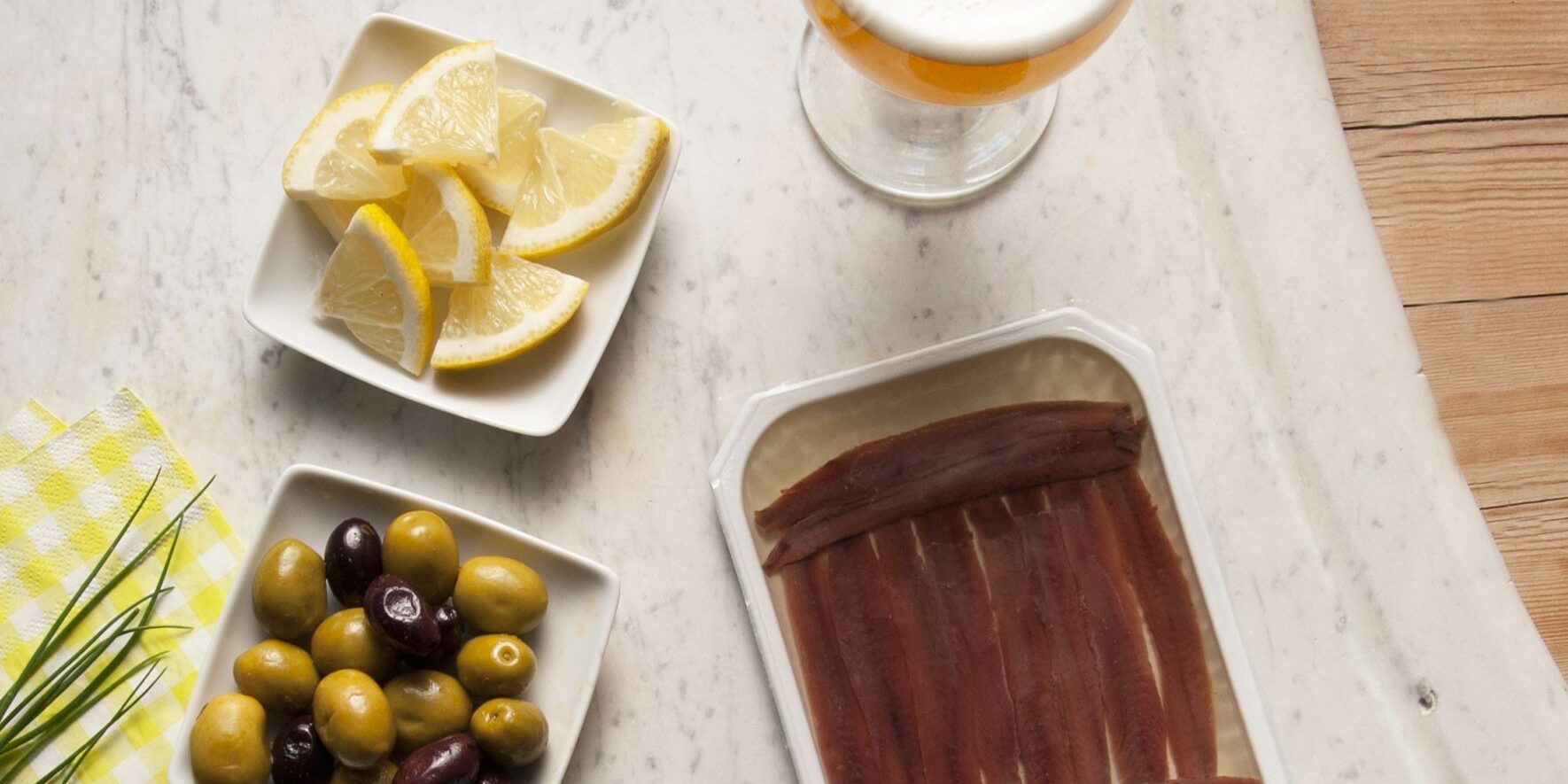
Food packaging is key to preserving product quality, freshness and safety , and heat sealing plays an essential role in this process. This technique ensures that containers are hermetically sealed, protecting food from contaminants and extending their shelf life. Heat sealing uses heat and pressure to bind plastic materials together, creating a barrier against air, moisture and other contaminants. It is an efficient technology that enables rapid, large-scale production, benefiting both manufacturers and consumers. Learn more about this packaging technique with WKThomas.
What is heat sealing?
Heat sealing is a packaging sealing process in which heat and pressure are used to fuse one layer of plastic material to another. This process is usually performed with a heat-sealing machine, which applies heat in a controlled manner to a heat-sealing film, a type of plastic material that is capable of sealing tightly and securely. Heat-sealing film, when properly heated, adheres to a surface accurately and quickly, creating an airtight seal that ensures product protection. One of the most significant advantages of heat sealing is that it allows the use of flexible materials, which facilitates the creation of lightweight, compact packages. This, in turn, reduces storage and transport space, optimizing logistics costs and improving efficiency in the use of resources. This product provides other properties such as resistance to perforation or the option of customizing the final result.
Heat sealing applications in food packaging
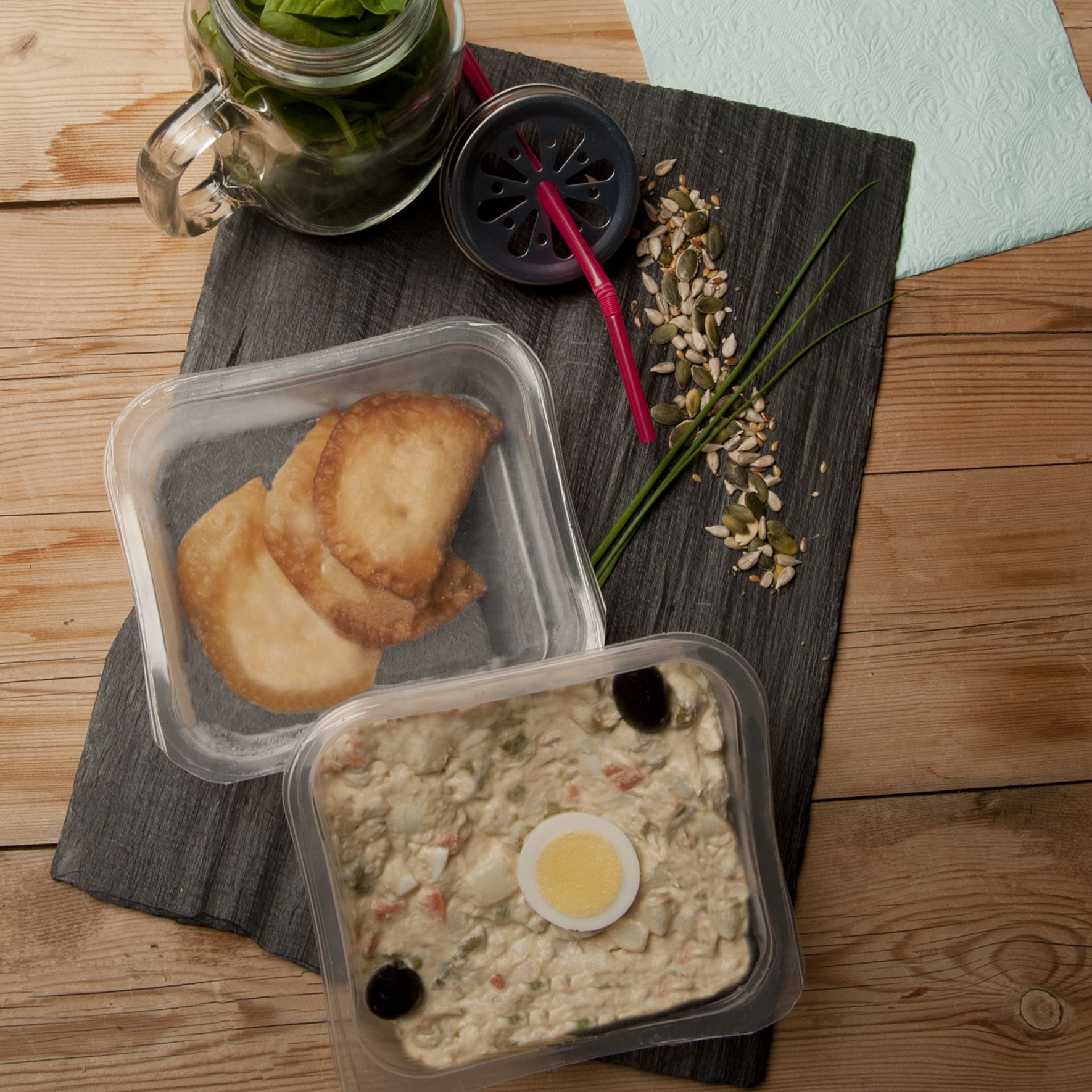
Heat sealing is used in a variety of food products, from fresh produce to processed and ready-to-eat foods. This process is essential in the packaging of products that require protection against external factors such as humidity, oxygen or light, which can deteriorate the quality of the food. In the case of fresh foods, such as meat, fish, fruit and vegetables, heat sealing ensures a controlled atmosphere inside the package, which helps to maintain the freshness of the product for longer. The technique is also used for products that require a long shelf life such as frozen foods. By creating an airtight seal, heat sealing prevents the proliferation of microorganisms that could contaminate the food and reduce its shelf life. In addition, the heat sealing process is used with great success in the packaging of food in individual portions.
This is especially important for products such as snacks or ready-to-eat foods. Consumers prefer these packages because of their convenience and ease of use, as they ensure that the product remains intact until consumption.
Advantages of heat sealing in the food industry
Heat sealing offers a number of advantages that make it a preferred choice for food packaging. First, the ability to create an airtight and resistant seal is key to product preservation. The impermeability to air and moisture prevents food from deteriorating rapidly, which helps maintain its flavor, texture and nutritional value. Another significant advantage of heat sealing is its versatility. Heat-sealing films can be adapted to different types of packages and shapes, which offers great flexibility to manufacturers. In addition, the process is fast and can be automated, which increases the efficiency of production lines and reduces labor costs. The use of heat-sealable film reels, which are rolls of plastic material used to create the bags or wrappers, has been instrumental in improving the packaging process. These reels are easy to handle and allow packaging of different sizes and shapes according to product needs. Being light and easy to transport, they also contribute to the reduction of logistics costs.
We can say that heat sealing plays an important role in food packaging, allowing the creation of airtight packages that protect products from external factors and guarantee their freshness. Its ability to create hermetic seals and protect against external contaminants, such as air and moisture, makes it an efficient and versatile technology for the food industry. Thanks to its speed and flexibility, heat sealing not only improves the shelf life of food, but also optimizes production and transportation costs. Thus, this technique continues to be fundamental in the development of safer and more convenient packaging for consumers.