

Food packaging has evolved in recent decades, and one of the most prominent techniques is thermoforming. This technology, which involves the molding of plastic materials by heat, has revolutionized the way food is preserved, protected and presented on the market. In this context, thermoforming film is the fundamental raw material that enables high-quality, functional packaging. Learn more about thermoforming film with WkThomas.
What is thermoforming?
Thermoforming is a manufacturing process that consists of heating plastic sheets until they become flexible and then molding them into specific shapes using molds. This technology makes it possible to create packaging with customized designs adapted to the specific needs of each product. The importance of thermoforming lies in its ability to offer efficient and sustainable solutions for food packaging.

Advantages of thermoforming film in food packaging
The thermoforming film is essential in this process, as it determines the quality and functionality of the final package. Some of its main advantages include:
- Food preservation: Thanks to its ability to form barriers against oxygen, moisture and other external contaminants, thermoformed film helps extend the shelf life of food. This is especially important for perishable products such as meats, dairy and fresh produce.
- Customized design: Thermoforming makes it possible to create customized packaging that perfectly matches the dimensions and shapes of the products. This not only improves product appearance on the shelf, but also optimizes storage and transport space .
- Cost reduction: Compared to other packaging methods, the use of thermoforming can be more economical due to the efficiency of the process and the possibility of producing large volumes in a relatively short time.
- Sustainability: Many thermoforming films are made from recyclable or biodegradable materials , helping to reduce the environmental impact of food packaging.
Thermoforming film applications
The use of thermoforming film covers a wide range of food products, including:
- Meats and sausages: Thermoformed packaging ensures an attractive presentation while protecting the product from contaminants.
- Dairy products: Yogurts, cheeses and other similar products benefit from airtight packaging to maintain freshness.
- Vegetarian products: This type of packaging is ideal for the pasteurization required for this type of product.
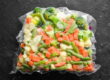
- Fresh fruits and vegetables: The thermoformed film helps to maintain the right humidity, avoiding premature deterioration of the products.
Technical considerations in the choice of thermoforming film
The selection of the right film is a critical factor in ensuring the effectiveness of the thermoforming process and the quality of the final package. Among the most important aspects to take into account are:
- Material thickness: Depending on the type of product and its protection requirements, the film must have an adequate thickness to allow efficient and resistant thermoforming.
- Barrier properties: It is essential to choose films with specific barriers to protect against external factors such as light, moisture and gases.
- Compatibility with the product: Some foods require specific materials depending on the previous processes to be applied.
Thermoforming film is key in the food packaging industry. Its ability to offer protection, customization and sustainability makes it an irreplaceable option for a wide variety of products. As consumer demands and environmental regulations continue to evolve, thermoforming will remain an essential technology for ensuring food quality and safety around the world.