


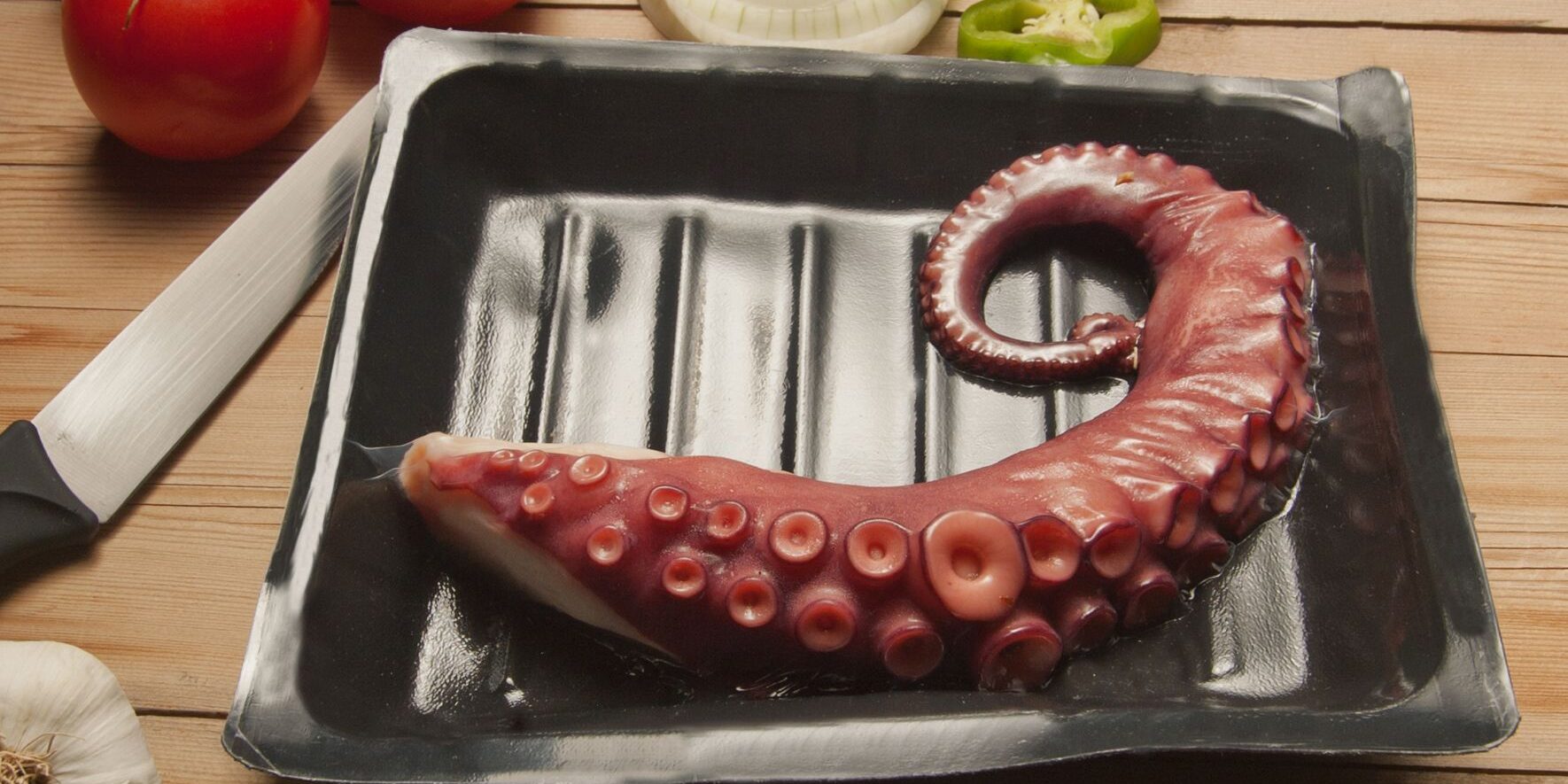
The skin packaging has revolutionized the food packaging market with its ability to prolong freshness and enhance presentation. Below, we explore the main trends in this technique that are setting the pace in sustainability, preservation and functionality.
Sustainability and production optimization
With the increasing demand for environmentally friendly packaging, skin packaging skin packaging has adopted sustainable solutions that seek to reduce environmental impact. Among the innovations highlighted are:
- Film Thickness Reduction: In order to reduce resource consumption and waste generation, many skin films have been designed with a thinner thickness while maintaining the same barrier and protection efficiency.
- Low Impact Barrier Technologies: Advanced technologies have enabled the development of more efficient and less polluting barrier materials, such as the use of EVOH that can be recycled together with other plastics.

Conservation and functional design
Functionality is key in skin skin packagingespecially for perishable products that require efficient preservation. The main trends include:
- High Barrier MaterialsThese materials are essential, as they prevent the entry of oxygen and moisture, preserving the freshness of meat, fish and dairy products. This not only extends the shelf life of the product, but also minimizes the risk of contamination, protecting food from external agents and reducing food waste. By maintaining quality during transportation and storage, these packages become essential in a market where consumers are looking for freshness and high quality.
- Stackable and easy-to-use formatErgonomic, stackable designs optimize shelf space, facilitating the orderly presentation of products in supermarkets and stores. This functionality also enhances the user experience, as easy-to-open packaging encourages customer satisfaction and repeat purchases. In addition, they enable efficient storage in the home, which is ideal for those who value organization. Together, these features make the skin packaging an attractive solution for both producers and consumers.
Expansion of applications and production efficiency
The skin packaging is no longer exclusive to meat and fish and is being applied to other foods, adapting to new market demands:
- New Food SectorsThis packaging is increasingly used for cheese, fruit and even confectionery, expanding its application in the market.
- More Efficient ProductionThe automation of the production lines has made it possible to produce skin packs on a large scale, optimizing costs and reducing processing time for companies of all sizes.